Biblical wisdom for today
Faith for the ordinary week.
Most of what we believe on Sunday has to survive a Tuesday. The kitchen table, the commute, the bill you keep re-reading, the argument you never finished. These are essays about that.

What you will find here
We open the passage
Every essay goes back to the text and reads what sits around the verse. You never have to take our word for any of it.
Written for a Tuesday
Not for the sanctuary. For the commute, the sink full of dishes, and the hour at night when you cannot get back to sleep.
Nothing to defend
Orthodox, Catholic, Protestant. What is here belongs to all of us, and none of it asks you to leave where you already are.
The latest essay
-
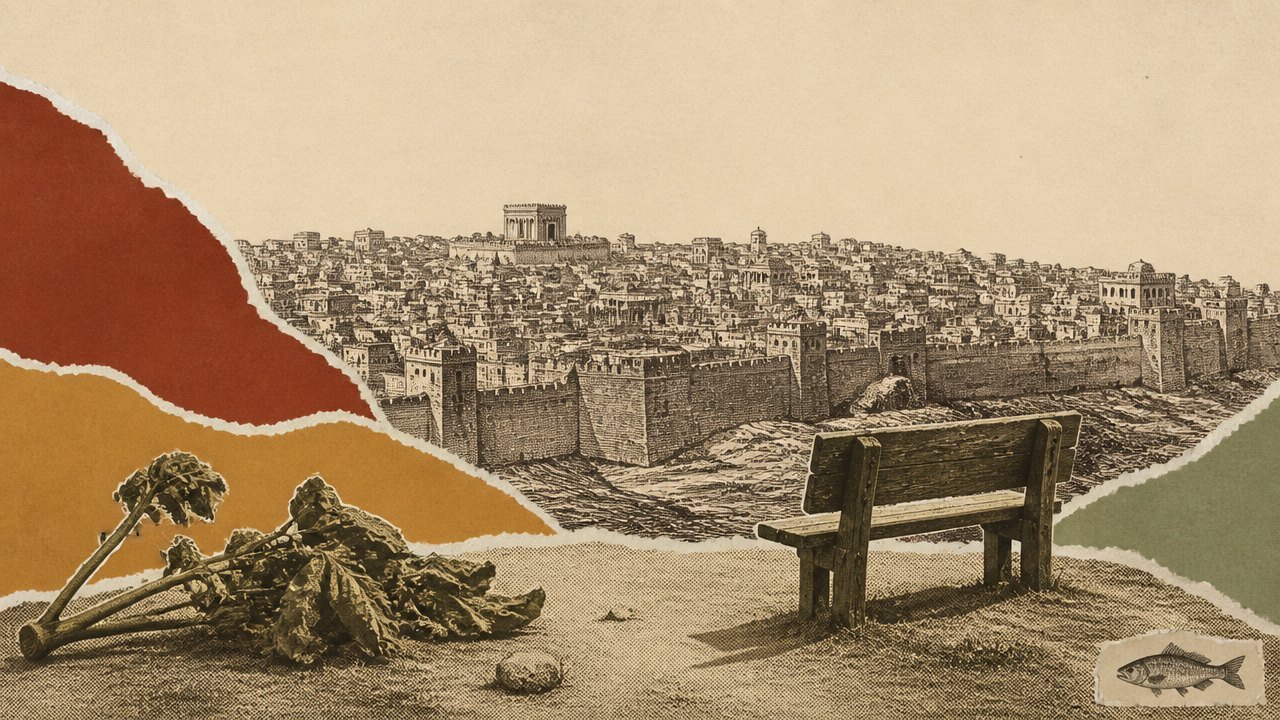
Three Days in a Fish
Everyone remembers the fish, which takes up one verse. Jesus takes up Jonah too — and in both gospels that record the saying, the sign lands somewhere else entirely.
More essays
-

Keeping Your Word When It Costs You
Psalm 15 asks who may dwell on God’s holy hill, and answers with a list about how you treat people. One line: who swears to his…
-

Why Sunday
There is no verse announcing a change of day. What there is instead is a handful of passing references that assume it — and four gospels…
-

The Song Mary Sang
A pregnant teenager in an occupied province sings about thrones being emptied — and sings it in the past tense, while nothing has visibly happened.
-

What “the World” Means in John 3:16
John says God loved the world. He also says do not love the world. One Greek word, doing two different jobs — and the difference changes…
-

Where Jesus Stopped Reading
At his first sermon Jesus read from Isaiah, stopped mid-sentence, rolled up the scroll and sat down. What he left off — and why the crowd…
-
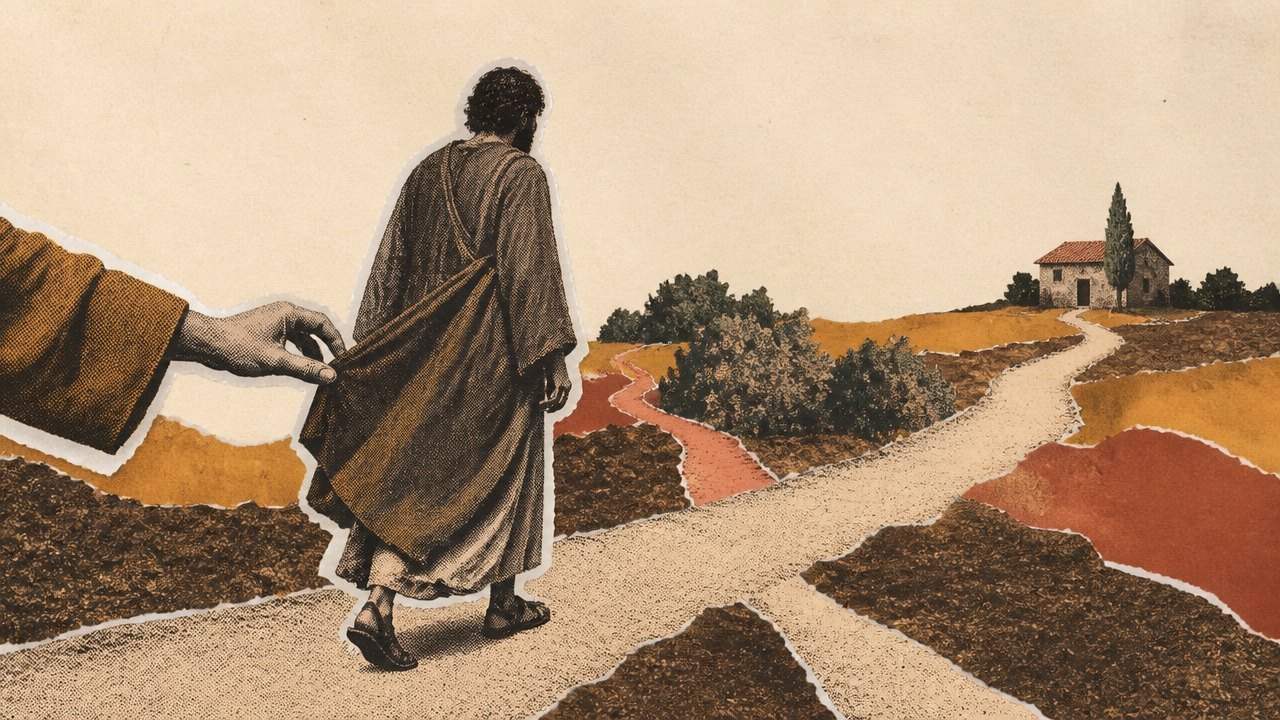
On Being Interrupted
In Mark 5 a man’s daughter dies while Jesus stops to talk to somebody else. An extraordinary amount of the ministry is what happened on the…
Start here · The library · Scripture index
Four times a day on Facebook
A verse you already know, read all the way through.
Jeremiah 29:11 has a seventy-year sentence in front of it. “Judge not” ends with instructions for judging clearly. Most of the verses we lean on hardest are the ones we have only ever read alone. Weekday Grace puts them back in the paragraph they came from.